Property Edge
Nearly Half of Australian Suburbs Are at Peak Value… So What?
By now, the headlines have arrived, smug and self-congratulatory:
“Nearly half of Aussie suburbs hit record-high property values!”
Break out the fireworks. The boom is back… or so they say.
But before we start popping champagne corks, let’s look under the hood.
Yes, the numbers sound impressive. According to Cotality’s latest chart pack, 44.8% of Australian suburbs are now at their highest recorded values. Another 329 are just a hair’s breadth below peak. A triumph? Maybe. But for who?
Let’s break it down.

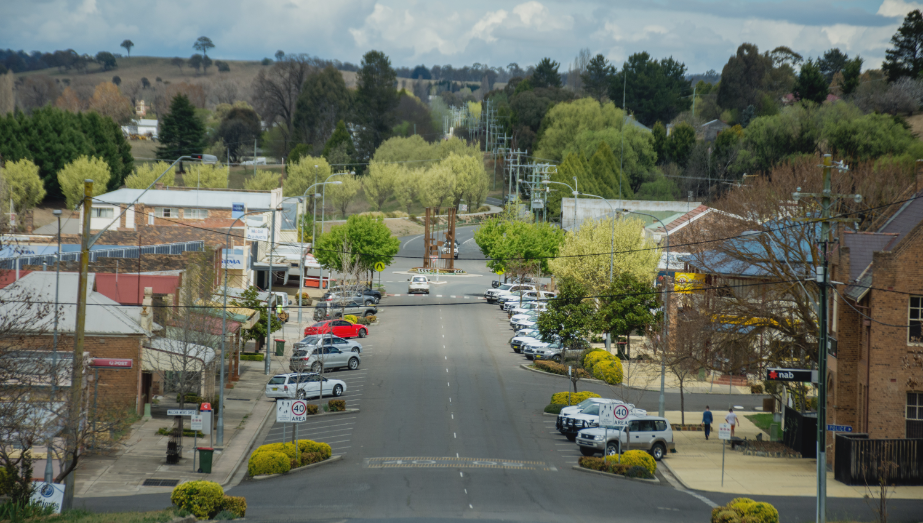
Brisbane and regional Queensland are leading the parade — nearly 80% of their suburbs at peak. Perth’s not far behind. But Melbourne? Just 12.9%. Canberra and Hobart? Barely a blip. It’s less a national rally than a regional pocket party.
And here’s the real kicker: many of these so-called “peak suburbs” are simply catching up after years in the wilderness. Some are bouncing back from post-pandemic slumps. Others are being dragged along by migration waves and supply constraints. But don’t mistake a sugar high for sustainable health.
Meanwhile, the real story — the one you care about as a property entrepreneur — is not what’s at peak, but what’s still lagging. Melbourne, Canberra, and Hobart are all sitting between 4% and 10% below their previous highs. That’s where the action is. Because once the media pack starts barking about record growth, it’s already too late. The money’s already been made.
But in the undervalued, overlooked, and underpriced patches — the suburbs still flying under the radar — that’s where you manufacture your margin.
So let them chase the peaks. Let them fight over the last 5% of someone else’s profit.
You? You should be buying the dip while they toast the top.
In property, the herd runs toward headlines. We go where the silence is — because that’s where the uplift lives
“Unprecedented”: The Word You Use When You’ve Run Out of Ideas
Another day, another bureaucrat with a microphone and a furrowed brow.
This time it’s Reserve Bank Deputy Governor Andrew Hauser, solemnly declaring that Australia faces “unprecedented challenges.” Productivity’s in the bin. Growth is limping. Debt’s ballooning. Geopolitics are unstable. Climate is changing. And the economists? They’re scratching their heads.
The word unprecedented gets wheeled out a lot these days. It’s what you say when you’re in charge but nothing’s working. It’s the verbal shrug of those who once believed models and spreadsheets could predict human behavior.
Hauser says Australia needs to pull off an “economic hat trick” — a repeat of its miracle recoveries from the Great Depression and the stagflationary 1970s. It’s a nice soundbite. But when the system’s built on cheap credit and artificially inflated asset prices, it’s a bit like trying to fix a sinking boat by bailing with a coffee cup.
He frets about a “productivity puzzle.” But it’s no puzzle. When people are paid to sit in meetings, shuffle paper, or trade the same house back and forth at higher prices — that’s not productivity. That’s inflation wearing a suit.
And yet, while the central planners wring their hands, those of us on the ground — the builders, flippers, renovators, subdivides — keep creating real value. We turn ugly ducklings into modern homes. We turn blocks into duplexes. We take on risk, manage trades, and manufacture growth from sweat, not spreadsheets.
So while they debate theory in Parliament House, we’ll be in Penrith turning a fibro knockdown into a $180K uplift.
Let the economists talk in circles. We’ll stay in straight lines:
Buy under value. Add value. Exit with uplift. Repeat.
The world is always “unprecedented” to the people who thought they were in control.
Meanwhile, the art of comparison paints a rosier picture for our economy…
Australia: The Least Ugly House on a Very Shabby Street
The global economists have spoken. The verdict? Australia’s economy is doing just fine.
Not great. Not terrible. Just… “better than the others.”
We’re told Australia is growing at 1.8% — a tick above the OECD average. That puts us ahead of Britain, South Korea, and Canada. Germany and Japan are apparently on a low-carb diet when it comes to GDP. So by comparison, we’re doing well.
But this isn’t a gold medal moment. It’s like winning a tallest dwarf competition. The whole field’s in decline — we’re just declining slightly slower.
Let’s look beyond the ribbon-cutting and press releases.
- Per capita GDP is falling.
- Real disposable income is down 10%.
- Living standards are in freefall — worst drop since 1959.
But don’t worry — the models say it’s temporary. Just a bit of turbulence. Or climate change. Or migration. Or a cyclone. Or all of the above.
Meanwhile, the average Australian is watching the price of lettuce outpace their wage growth, wondering where all this “resilience” is hiding.
And yet, in the chaos… lies opportunity.
Because the market doesn’t care what the Reserve Bank says in a press conference. It cares about pressure. People under pressure sell. People under pressure rent. People under pressure give you leverage.
And that’s where property entrepreneurs thrive.
The government’s job is to look calm while the ship leaks. Yours is to find the lifeboats with upside.
Not just sit in the economy — but profit from it.
When everyone’s losing money slower, the one who manufactures value wins faster.
Until next week,
Stay sharp. Stay cynical. Stay profitable.
— Property Lovers
Curious how some of our readers are quietly turning tired old houses into six-figure paydays — without using their own money, begging banks, or waiting for a unicorn deal to fall in their lap?
They’re not geniuses. They’re just using tools the market hasn’t caught up with yet.
We don’t advertise this broadly, but if you want to see how the system works — and whether it might suit your own plans — you can book a private walkthrough with one of our team. No pressure. Just intel.
